
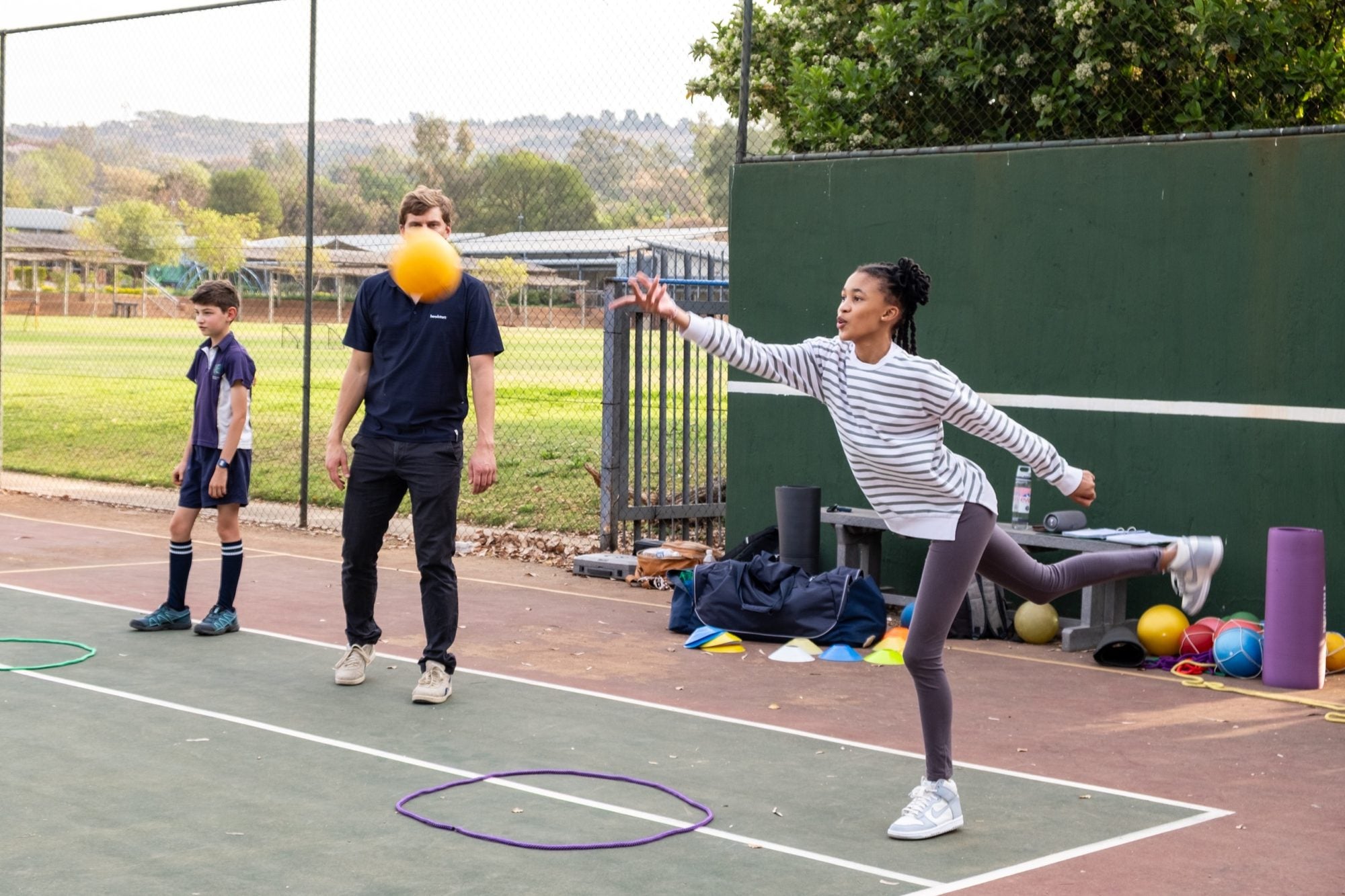
Headstart Academy · Sport · Pretoria
When last did your team take its brain to the gym?
Mental fitness for school teams. Trained on your own field, in your own training time, and it goes to class with them.
What is mental fitness?
Strength and conditioning, for the brain.
Your players already train their bodies on purpose, week after week. Mental fitness is the same work for the brain. It decides how quickly a player reads the game, and how calm they stay when the score is close.
And the brain doesn’t stay on the field. It sits the test on Monday.
Try it now
One exercise. Thirty seconds.
You’ll need your right foot and your right hand.
- Stand up. Lift your right foot and move it in slow clockwise circles.
- Keep the circles going. Don’t stop.
- Now, at the same time, draw a 6 in the air with your right hand.
Your foot changed direction, didn’t it?
Almost everyone’s does. That small scramble is what it feels like when a task asks for more connections than the brain has right now. Practise it and the brain builds the wiring. The scramble goes away.
Capability isn’t fixed. It’s built, by doing.
Coaches, try it on the squad at practice this week. Watch who laughs first.
What changes in the game
A fitter brain plays a different game.
- The exerciseA movement and a thinking task at the same time.
- The brainIt has to build new connections to keep up, and that is the training.
- The playerWhat was hard starts to run on its own, and the head is free for the game.
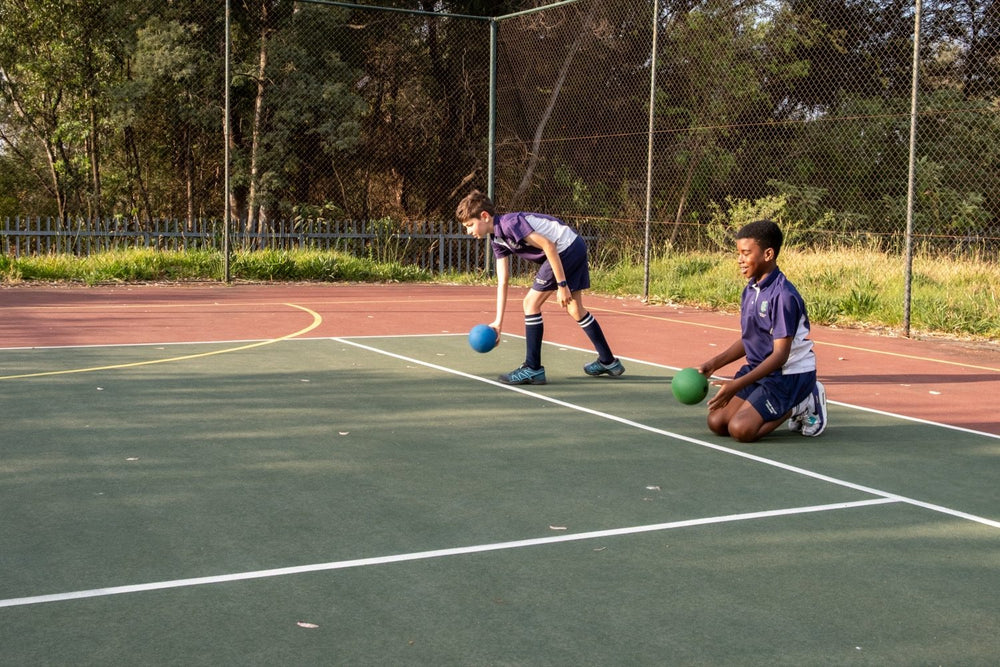
Focus.
Holding on to the play while everything around it moves. Trained every week, like fitness.
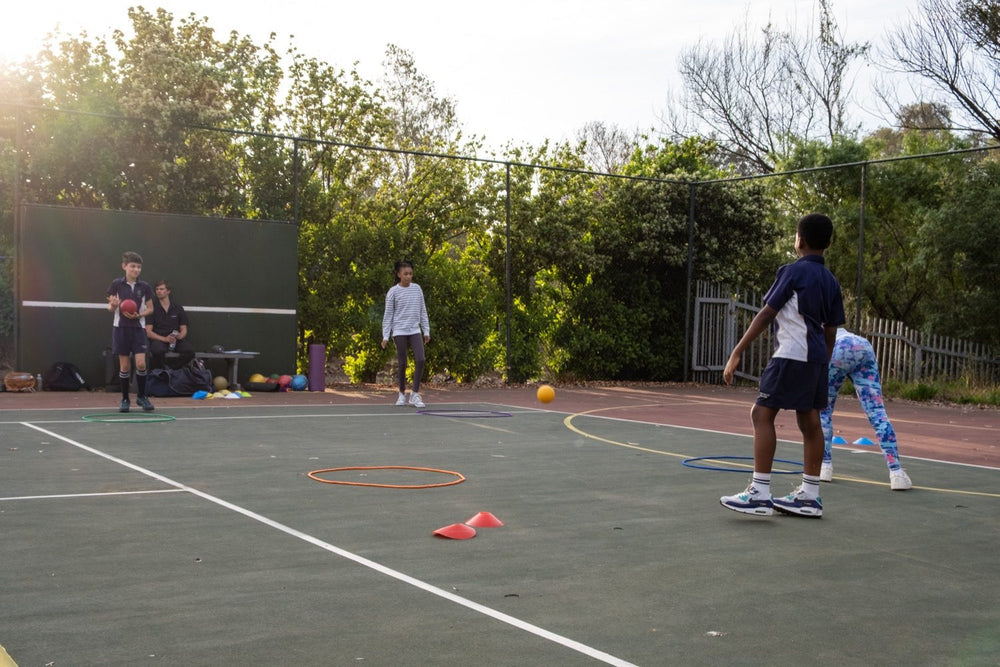
Perseverance.
Every session hands them something they can’t do yet. They stay with it, and they get it.
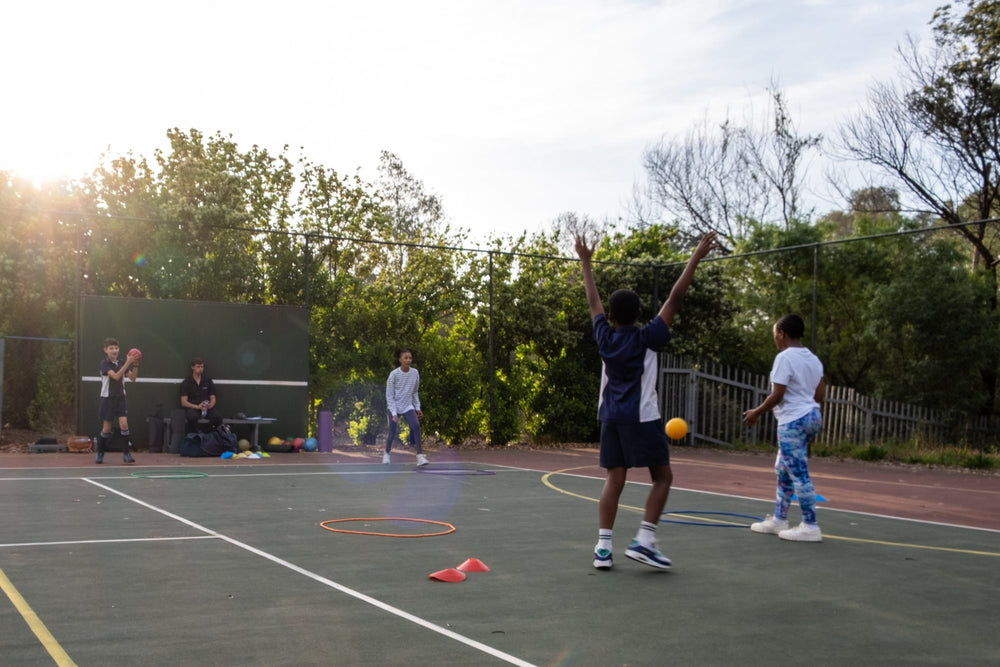
Enjoying a challenge.
The new position, the new move in front of the team. Trying something new becomes the fun part.
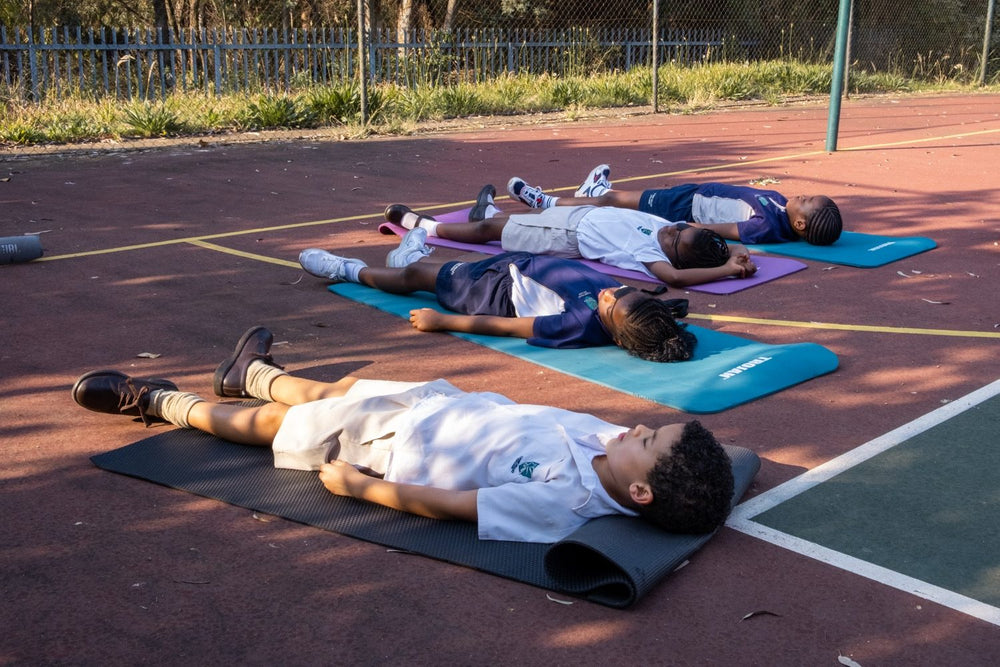
Calm when it’s tight.
Relaxation is trained in every session, so it’s there in the last five minutes.
Parent questionnaire, Powerbrain Kid (our learning course), 33 families, 2025–26.
Off the field
Same brain, at the desk.
Coaches read the front. Parents, turn a card over.
Tap a card to turn it over.
We report what we see carry over into the classroom. We don’t promise it. We train the brain, and the brain goes to school with them.
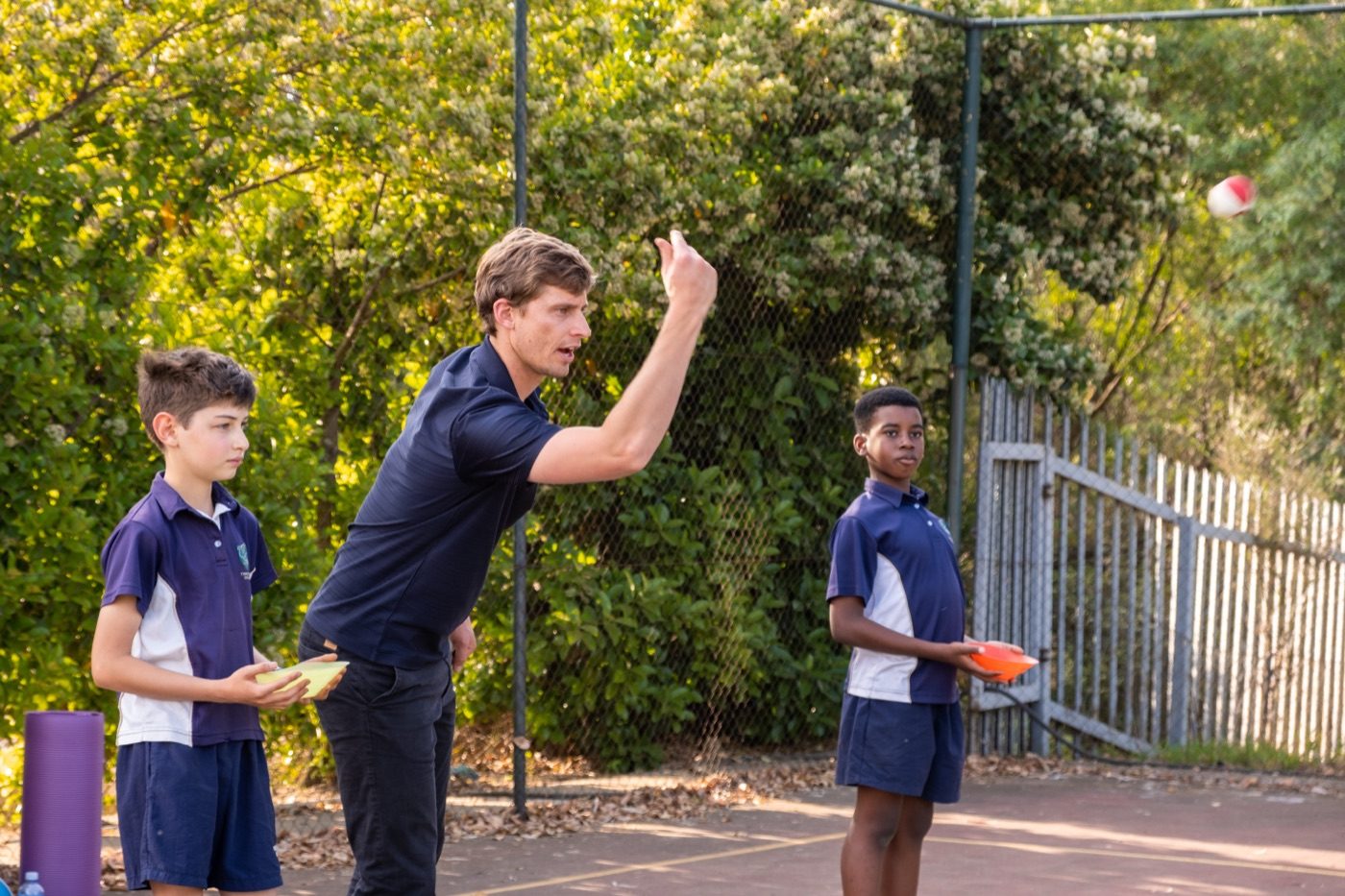
How it works
It fits into the training week you already run.
- Demo session.
Forty minutes in your own training slot, on your field, with you watching. Free.
- Parents in.
Before the first session, a short session with the players’ parents.
- The block.
Ten weeks, one hour a week. Every session has three parts: a brain warm-up, exercising the brain, and a cool-down.
- The sit-down.
At the end we sit down with you: what we saw in the squad, and what’s next. The parents get their own check-in too.
Primary teams up to about 20 players. High school teams up to 25, sometimes 30. Bigger squad? We bring more coaches.
What stays yours
- Your grounds and your training time.
- Your drills and your game plan.
- Your sport. We take our examples from it.
- No admin for the coach. We bring the kit.
The coach stays the coach.
For your age group
Every team starts at the foundation.
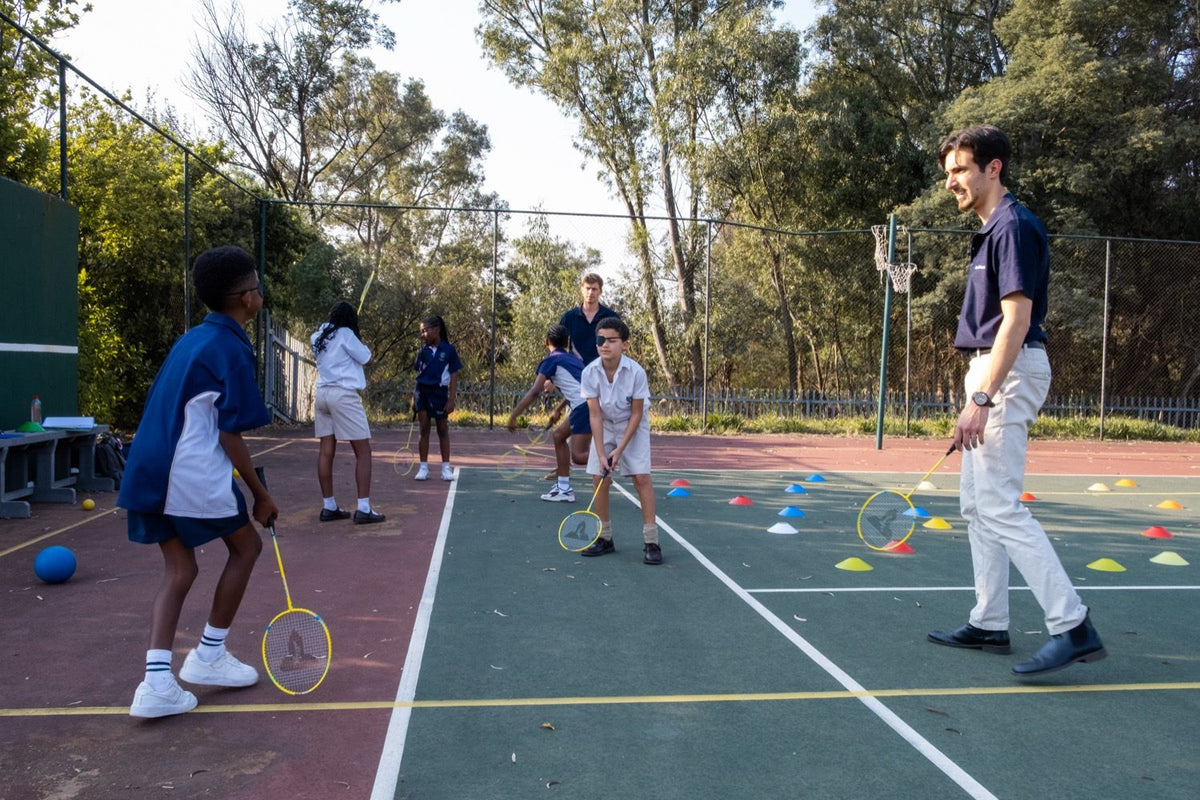
Primary school · Grade 1–7
The base everything else is built on.
Coordination and focus, and the fun of finally getting it.
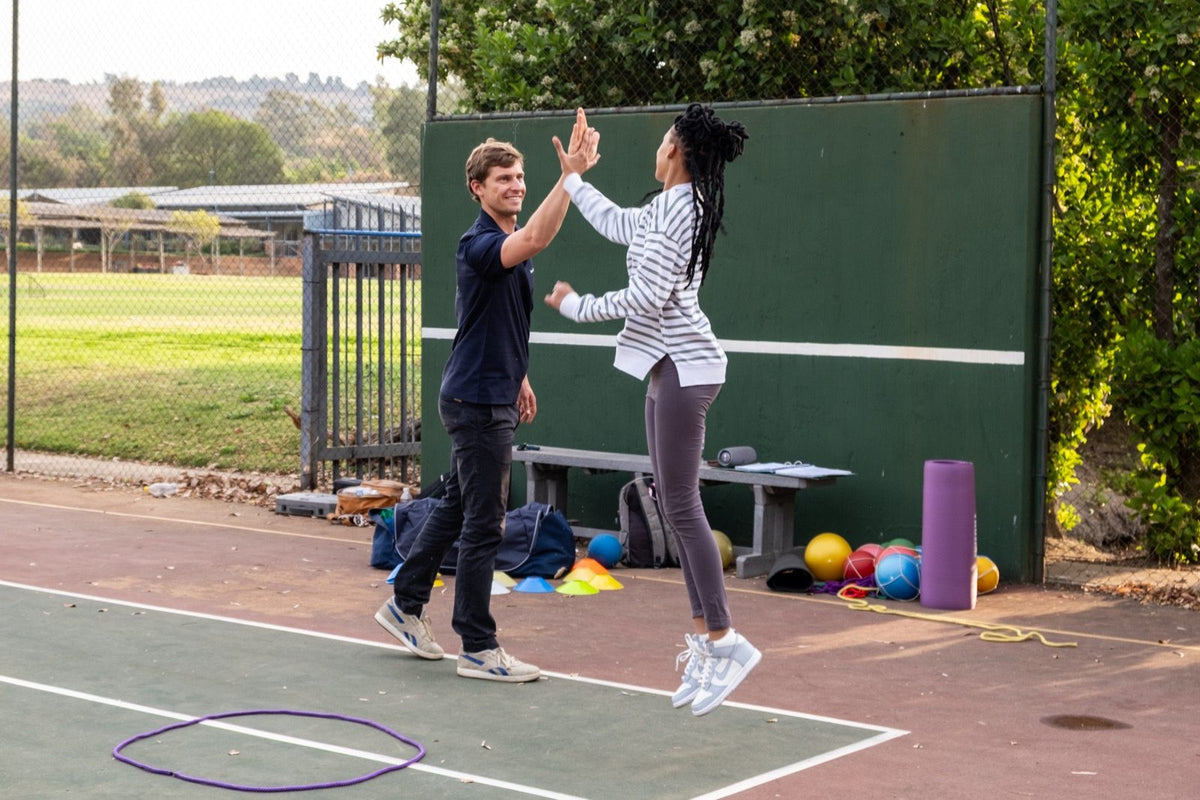
High school · Grade 8–12
Bigger games and more pressure.
Quick decisions and calm, trained beside the drills you already run.
- Level 1 · every teamThe cognitive foundationBrain training for the whole squad. This is what the demo shows.
- Level 2 · when the squad is readyPressure-proof skillsKey moves trained deep enough to hold when it matters.
- Level 3 · key playersThe mental edgeOne-on-one, for the players the big moments run through.
Who’s on your field?
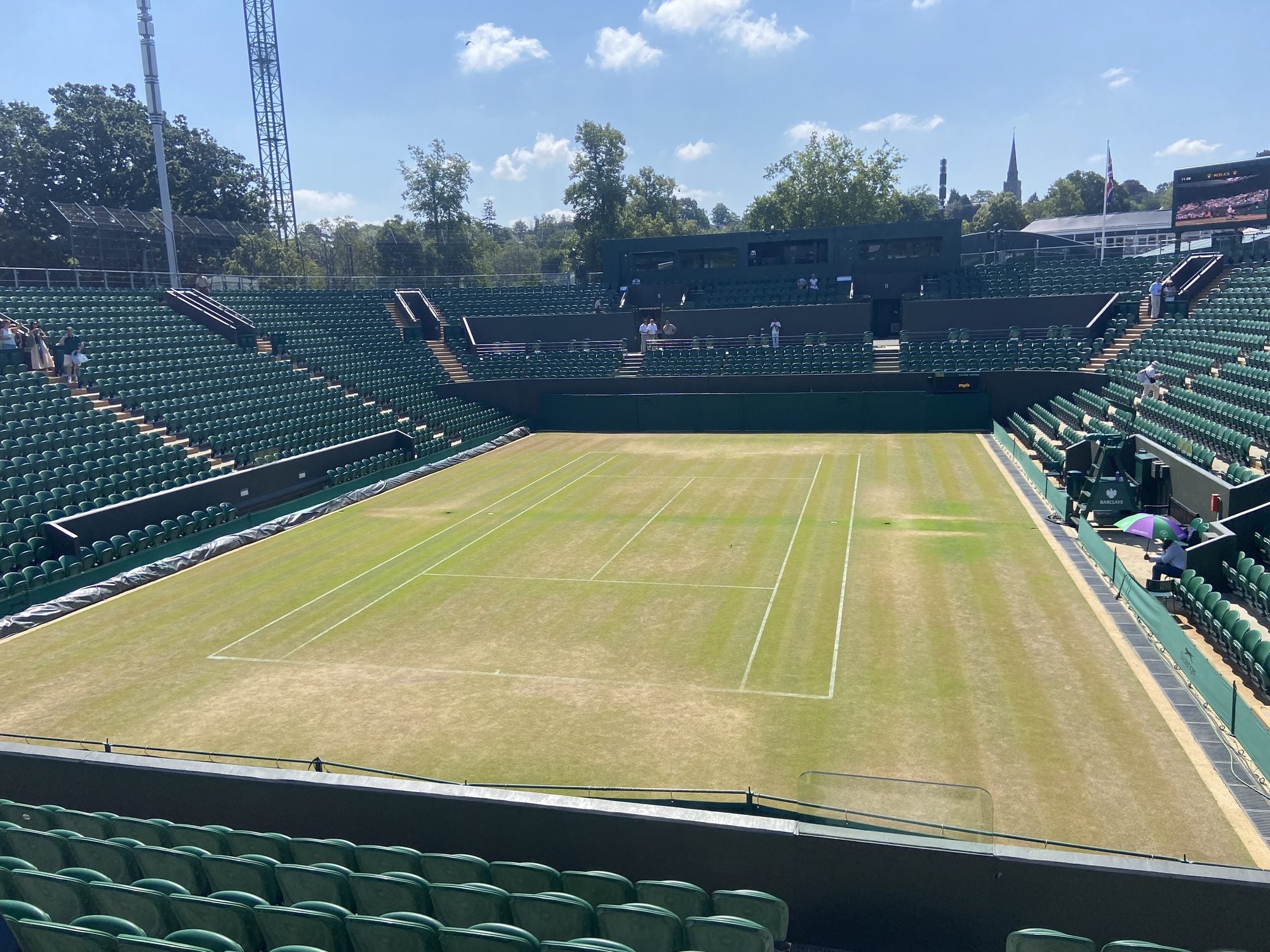
Courtside at Wimbledon.
Wimbledon
2025 and 2026.
Jannik Gevers, Headstart’s founder, was there as a professional player’s coach.
The method
Powerbrain Institute, Germany.
Its sport work spans tennis, biathlon, rowing, Olympic sailing preparation and professional football.
The coaches
Fully Powerbrain-trained.
Every Headstart coach has done the full Powerbrain training. We’re successfully running Powerbrain Kid, our after-school learning course, at Tyger Valley College and Curro Hazeldean.
For parents
You’re not the coach. You can still be the reason this happens.
- Send it to the coach.
One message, already written. Change anything you like.
- Loop in the school.
Send the same message to the head of sport.
- Or talk to us first.
WhatsApp 081 491 9983 and we’ll take it to the coach together.
Once the team starts, you’re part of it too: a parent session before the first week, and a check-in with you at the end.
The message
Coaches and heads of sport
One session settles it.
Forty minutes with your squad, in your own training slot, on your field. You watch, and it’s free. Leave your details and we’ll set a date with you.
Prefer WhatsApp? Send a message to 081 491 9983
Good to know
Questions coaches ask.
Does it replace our training?
No. It sits inside your training week, and your drills and game plan stay exactly as they are.
How much time does it take?
One hour a week for ten weeks, in your training slot. Ten hours in all, so if your season needs a different shape, we plan it with you. The demo is 40 minutes.
Do the players get tested?
No. There’s no testing. We watch, we tell you what we see, and the parents tell us what they notice at home.
Which sports is it for?
Team sports, and individual sports like tennis too. It trains the brain, and we take our examples from your sport.
Is this therapy?
No. It’s training, the way fitness is training. The psychologist stays the psychologist.
What does the demo cost?
Nothing, it’s free. The block is planned with you after the demo.
How big can the group be?
Primary teams up to about 20, high school teams up to 25, sometimes 30. Bigger squad? We bring more coaches.